Many think SEO blogging is dead. But that is not true. Blogging can be the best option for SEO. Understanding the benefits of blogging for SEO is important for businesses that fear that blogging has lost its significance. A consistent blog on a website is always the best way to share the latest information. Most digital marketing experts recommend this method. Check below for the best details on how blogging helps SEO.
What is Blogging In SEO?
Blogging is a way to share and educate your customers about your brand, services and related things. This gives you a chance to build your authority in your niche. You can prove yourself as the best information provider in your industry. With every new blog post you publish, you can solve user problems and establish your brand presence.
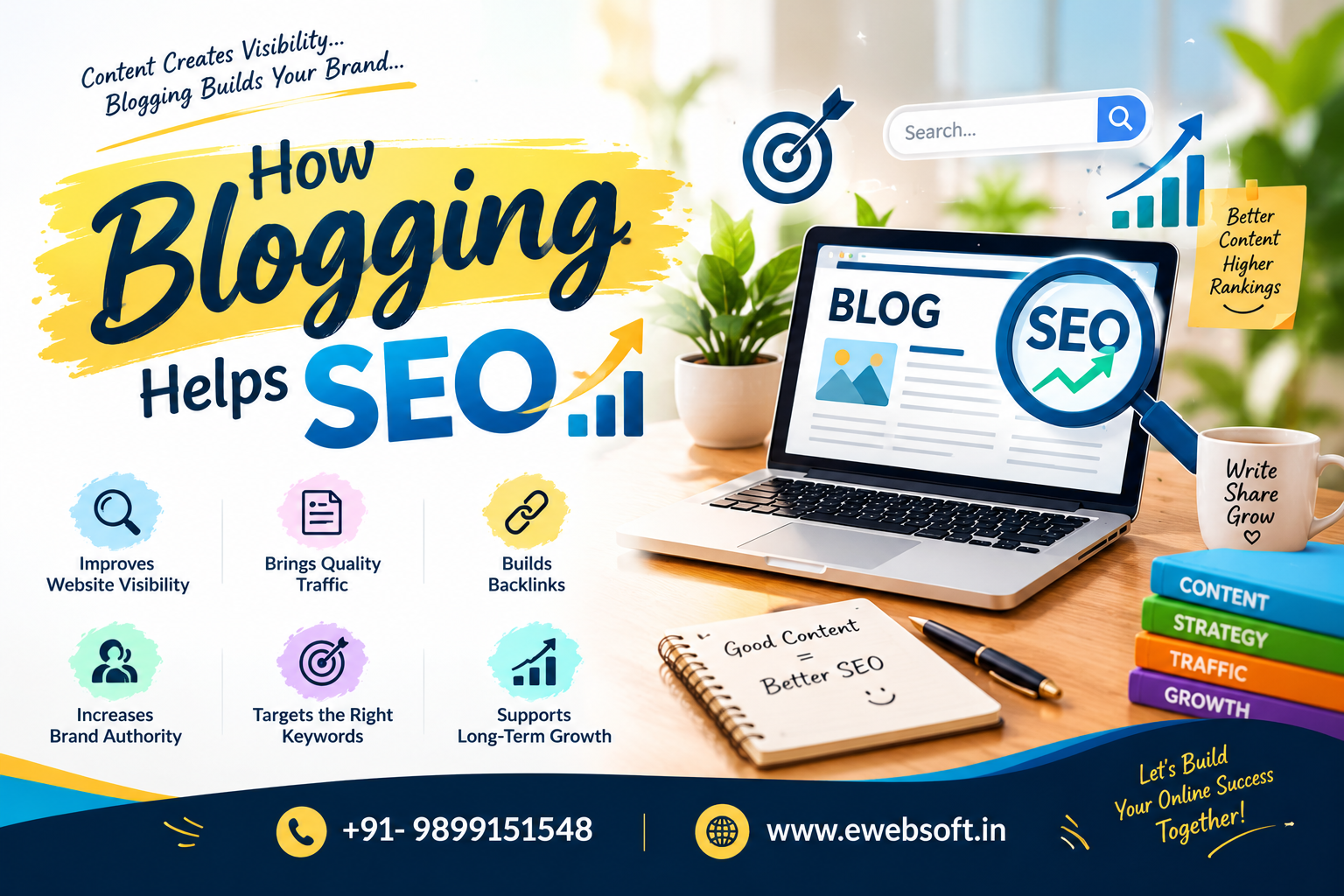
Top 5 Ways Blogging Helps SEO
1. Signals Freshness to Search Engines
You can add new blog posts frequently. You can update old posts. These show search algorithms that your business is active. Other pages have less opportunity for updates. This boosts site rankings.
2. Target Keywords Naturally
You should consider all types of keywords. There is a trend for long-tail keywords in blogging to attract specific users. You can also make some long-tail keywords your topics. These keywords are very significant today due to AI overviews and answer engines. Keywords targetted blogging and search engine optimisation can help your website significantly with rankings and leads.
3. Keeps Visitors on Your Site Longer
Blogging is the best part of SEO Content Marketing. This can keep users on your site longer. Through internal linking, you can engage users with other pages. It signals that your website offers genuine information.
4. Earns High-Quality Backlinks Naturally
When you publish the best guides and information, you can build authority in your domain for many topics. Then, others will cite your blogs as references. This natural link-building process boosts your domain authority. This is how it helps your website SEO. Thus, you can improve website ranking with blogs.
5. Builds Internal Linking Structure
You cannot link all your internal pages to your homepage without it looking cluttered. As explained by many SEO experts in Delhi, blogs solve this issue perfectly. It makes it incredibly easy to showcase your entire website structure to the search engine. This way, blogging helps SEO.
How to Write Blog Posts Optimised for SEO
Writing an SEO-optimized blog post isn't about tricking Google; it's about making your content as clear, accessible, and valuable as possible for both search crawlers and human readers. Here is a step-by-step approach to optimising every post you write:
1. Target Search Intent, Not Just Keywords
Before writing a single sentence, understand why people are searching for your focus keyword.
- Informational Intent: Teach them how to solve a specific problem.
- Commercial/Transactional Intent: Provide actionable insights, reviews, or clear comparisons.
2. Optimise Strategic On-Page Elements
- H1 Title Tag: Keep it engaging, include your primary keyword naturally, and stay under 60 characters so it doesn't get cut off in search results.
- Subheadings (H2s & H3s): Break up your text using clear headings that feature secondary keywords and related topics.
- Meta Description: Write a catchy 150–160 character summary that includes your keyword and entices searchers to click from the search results page.
- URL Slug: Keep it short and keyword-rich ( e.g.,https://yourwebsite.com/blog/seo-blogging-guide).
3. Focus on Visuals and Alt Text
Images and diagrams keep readers engaged, but Google cannot "see" images the way humans do. Always add descriptive Alt Text to every image. You can incorporate relevant keywords naturally.
4. Build a Strategic Internal Linking Web
- Link out to 2–4 relevant past blog posts or main service pages using descriptive anchor text.
- Go back to older related articles and link to your new post.
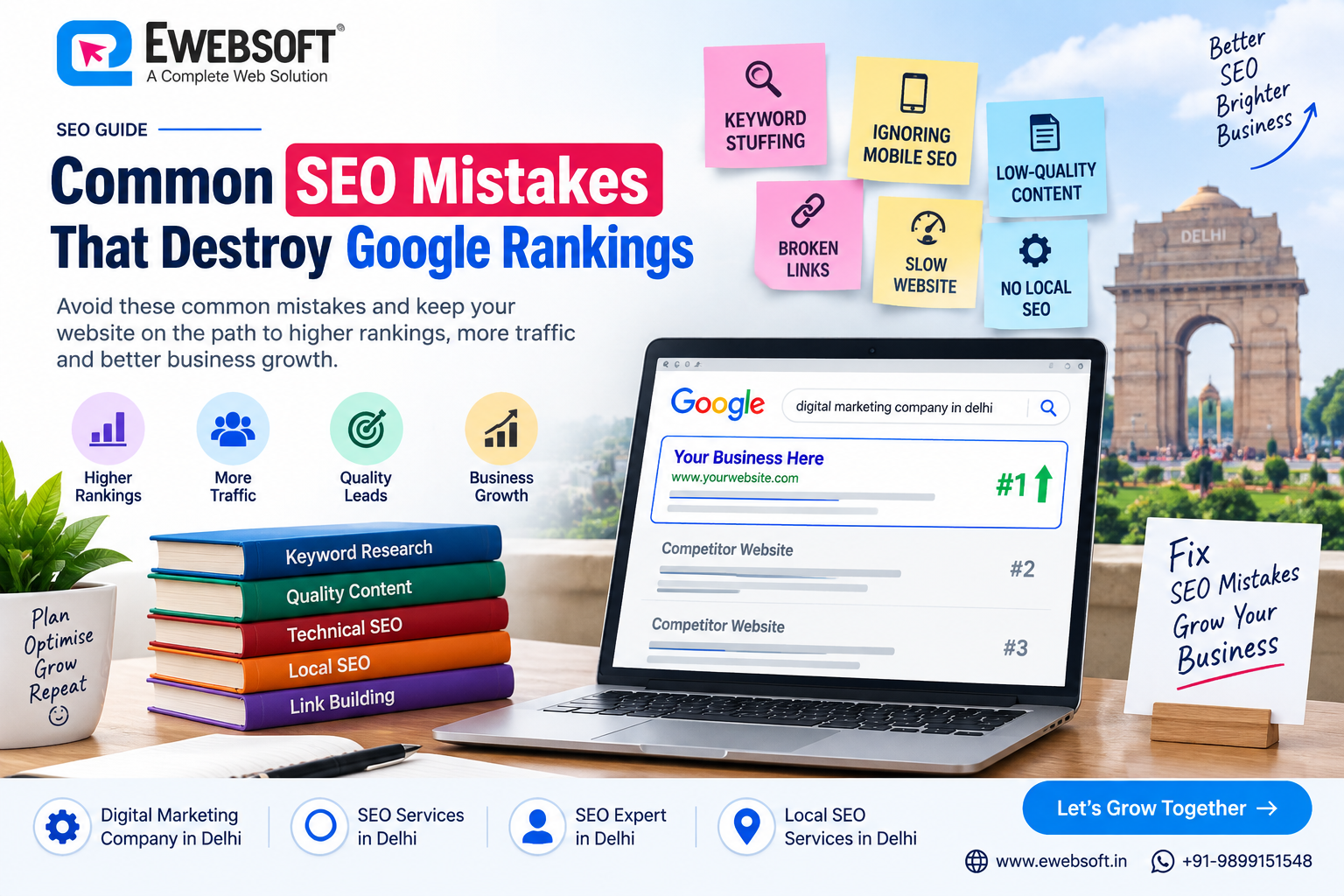
Common SEO Mistakes to Avoid in Blogging
Even high-quality content can fail to rank if it falls into common optimisation traps. You must steer clear of these frequent blogging mistakes:
1. Keyword Stuffing
Forcing keywords into every paragraph damages readability and signals to search engines that you are trying to manipulate rankings. Write for humans first, and let keywords fit naturally.
2. Neglecting Content Freshness
Schedule regular content audits to update stats, refresh outdated advice, fix broken links, and re-optimise old posts to regain top positions.
3. Sacrificing Quality for Quantity
Publish only well-researched, comprehensive guides. Google prioritises E-E-A-T (Experience, Expertise, Authoritativeness, and Trustworthiness); focus on creating depth and genuine value.
4. Ignoring Page Load Speed and Mobile Readability
The blog page should load as fast as other pages. You can also focus on mobile readability. You may need help from technical SEO experts to keep it smooth for readers.
Conclusion
Blogging helps SEO in various ways. Now you understand how blogs increase organic traffic and improve SEO. This will work 24 hours a day for your business, gaining qualified leads. This way, you can manage a significant portion of your SEO.