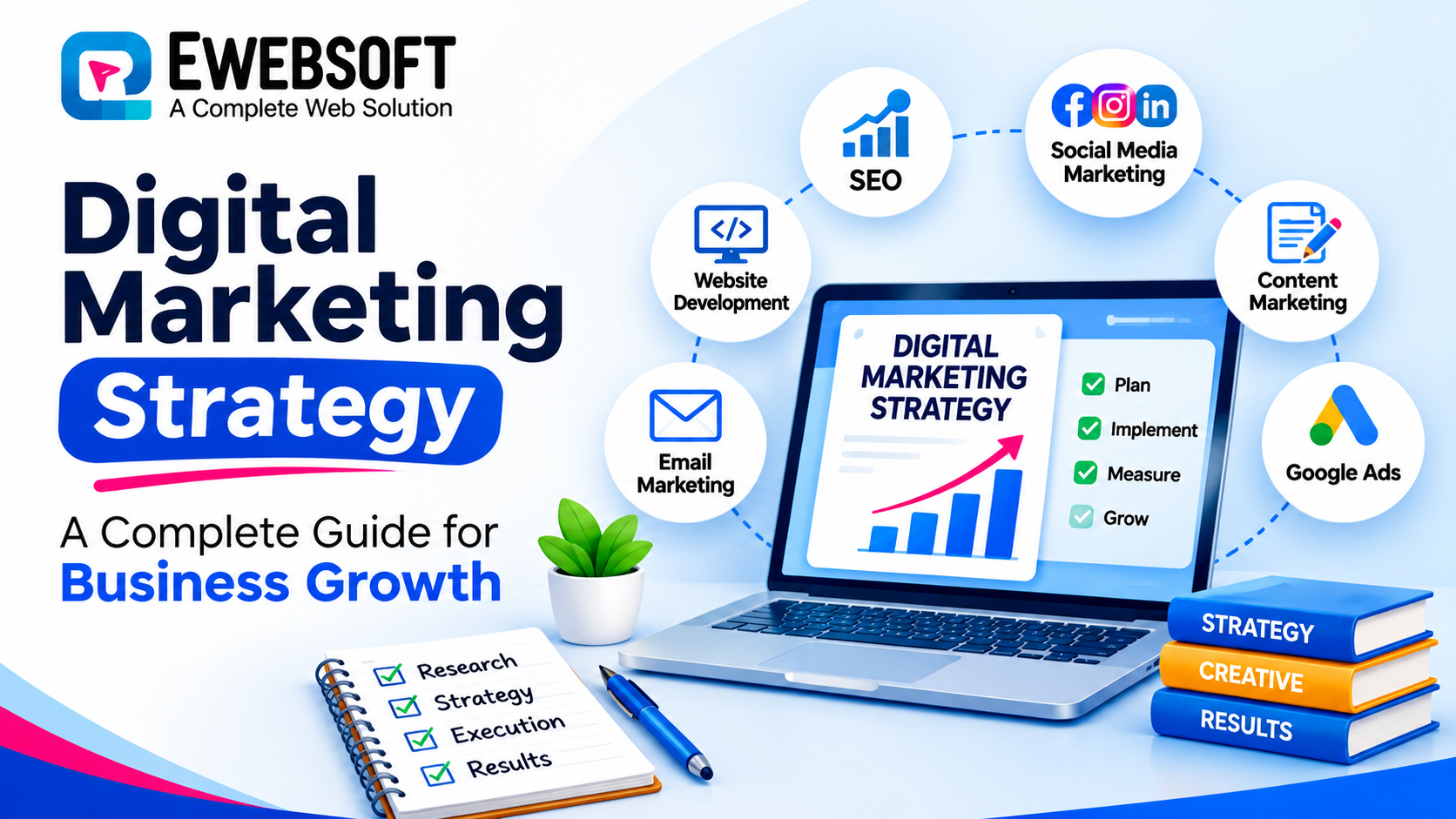
Digital Marketing Strategy: A Complete Guide for Business Growth
In today's competitive online marketplace, having a website or social media presence is not enough to grow a business. Businesses need a clear digital marketing strategy that helps them reach the right audience, communicate their value, generate leads and build long-term customer relationships.
A well-planned digital marketing strategy combines different online marketing channels, quality content, audience research and performance measurement to achieve business objectives.
Whether you run a small business, a startup or an established company, the right approach can help you make better marketing decisions and use your resources effectively.
What Is a Digital Marketing Strategy?
A digital marketing strategy is a structured plan for promoting a business, product or service through online channels.
It defines who you want to reach, what you want to communicate, which marketing platforms you will use and how you will measure success.
A digital marketing strategy may include:
- Search Engine Optimization (SEO)
- Social Media Marketing
- Content Marketing
- Google Ads and Paid Search Advertising
- Email Marketing
- Website Development and Optimization
- Lead Generation and Conversion Optimization
The right combination depends on your business goals, target audience, industry and available resources.
Why Does Your Business Need a Digital Marketing Strategy?
Marketing without a clear plan can result in wasted time, inconsistent communication and difficulty measuring results.
A well-defined strategy helps businesses:
1. Reach the Right Audience
Audience research helps identify the people who are most likely to be interested in your products or services. This makes marketing communication more relevant.
2. Improve Online Visibility
SEO, content marketing and social media activities help businesses build their online presence and make it easier for potential customers to discover them.
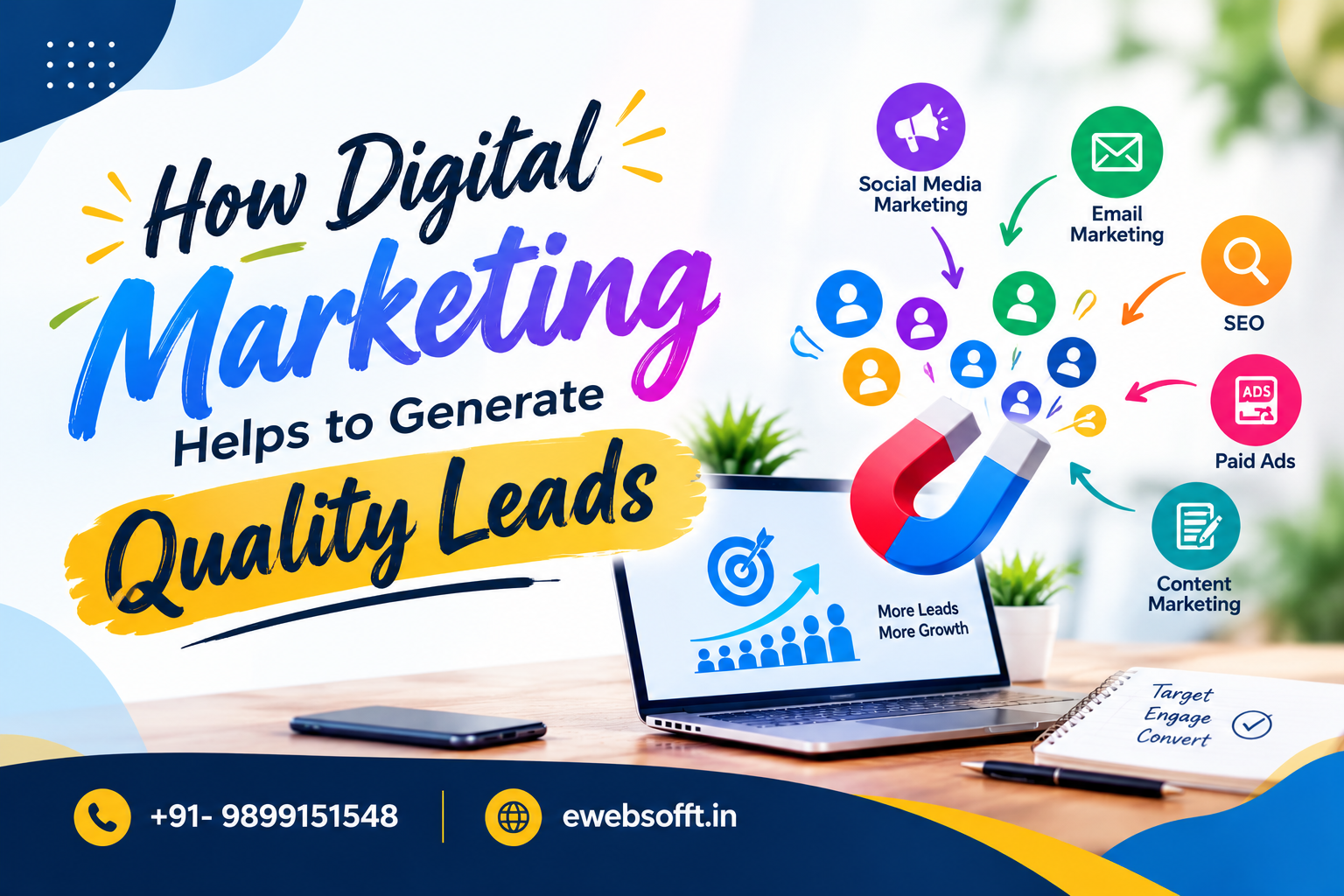
3. Generate Relevant Leads
A combination of informative content, optimized landing pages and suitable marketing campaigns can encourage interested visitors to contact your business.
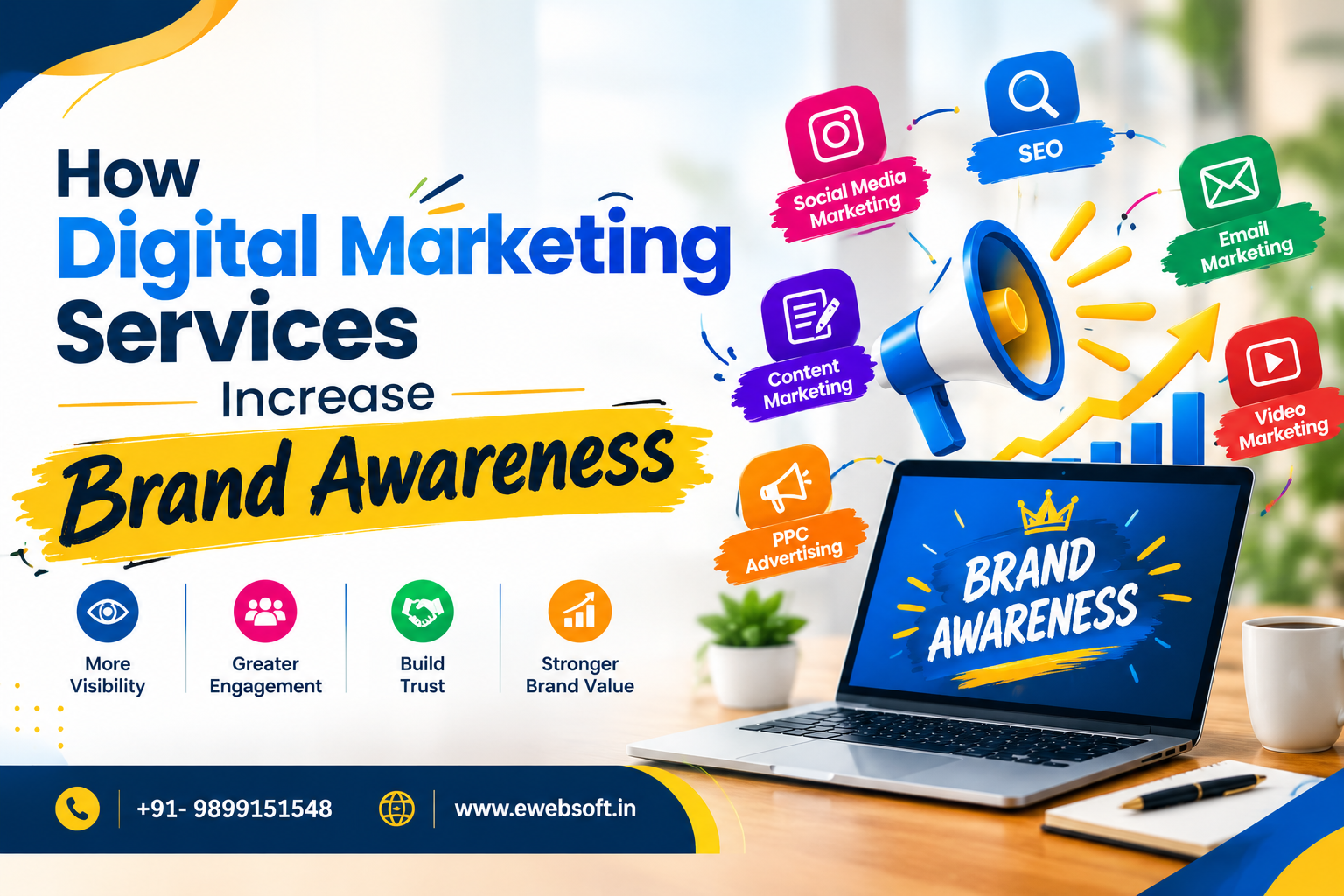
4. Build Brand Awareness
Consistent messaging and useful content across digital platforms help people become familiar with your brand.
5. Measure Marketing Performance
Analytics and campaign reports help businesses understand which activities are performing well and where improvements are needed.
7 Important Steps to Build an Effective Digital Marketing Strategy
1. Define Your Business Goals
Start by identifying what you want to achieve. Your goals could include increasing website traffic, generating enquiries, improving brand awareness or increasing online sales.
Set clear and measurable objectives so that you can evaluate progress.
2. Understand Your Target Audience
Study your potential customers, their needs, interests, challenges and online behaviour.
Consider:
- Their age group and location
- Their requirements and common questions
- The problems they want to solve
- The platforms they use
- The information they need before making a decision
Understanding your audience helps you create more useful marketing messages.
3. Develop a Search Engine Optimization Plan
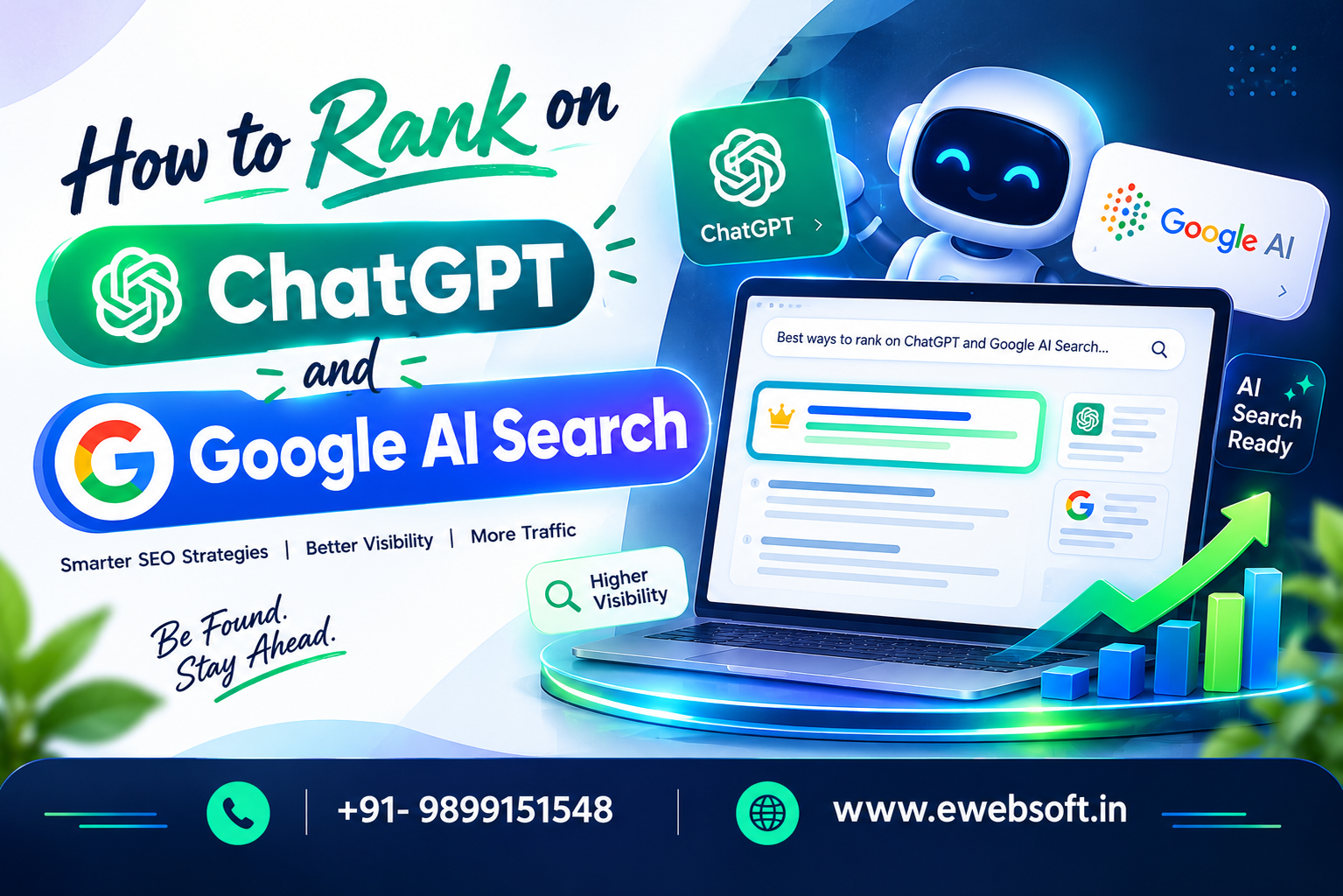
SEO helps improve the visibility of your website in relevant organic search results.
An SEO plan should include keyword research, helpful website content, technical SEO, internal linking, mobile usability and a strong website structure.
Focus on answering real customer questions instead of simply repeating keywords.
4. Create Valuable Content
Content marketing helps businesses educate their audience and communicate their expertise.
Useful content formats include:
- Informative blog articles
- Service pages
- How-to guides
- Case studies
- Social media posts
- Short videos and educational reels
Create content that provides genuine value and supports your customers at different stages of their buying journey.
5. Choose the Right Social Media Platforms
Every social media platform has a different audience and content style.
Businesses can use platforms such as Facebook, Instagram, LinkedIn, Pinterest and X to share updates, communicate with customers and build brand awareness.
Choose platforms based on your audience rather than trying to be active everywhere without a plan.
6. Use Paid Advertising Carefully
Google Ads and social media advertising can help businesses reach specific audiences and promote relevant offers.
Before investing in paid campaigns, define your target audience, budget, campaign objective and conversion tracking.
Review campaign performance regularly and improve campaigns based on actual results.
7. Monitor Results and Improve Your Strategy
Digital marketing is an ongoing process. Regularly review your performance to understand what is working.
Useful metrics include:
- Organic website clicks and impressions
- Relevant keyword visibility
- Website engagement
- Qualified enquiries
- Conversion rate
- Advertising cost per lead
- Social media engagement
Use tools such as Google Analytics and Google Search Console to understand website performance and identify improvement opportunities.
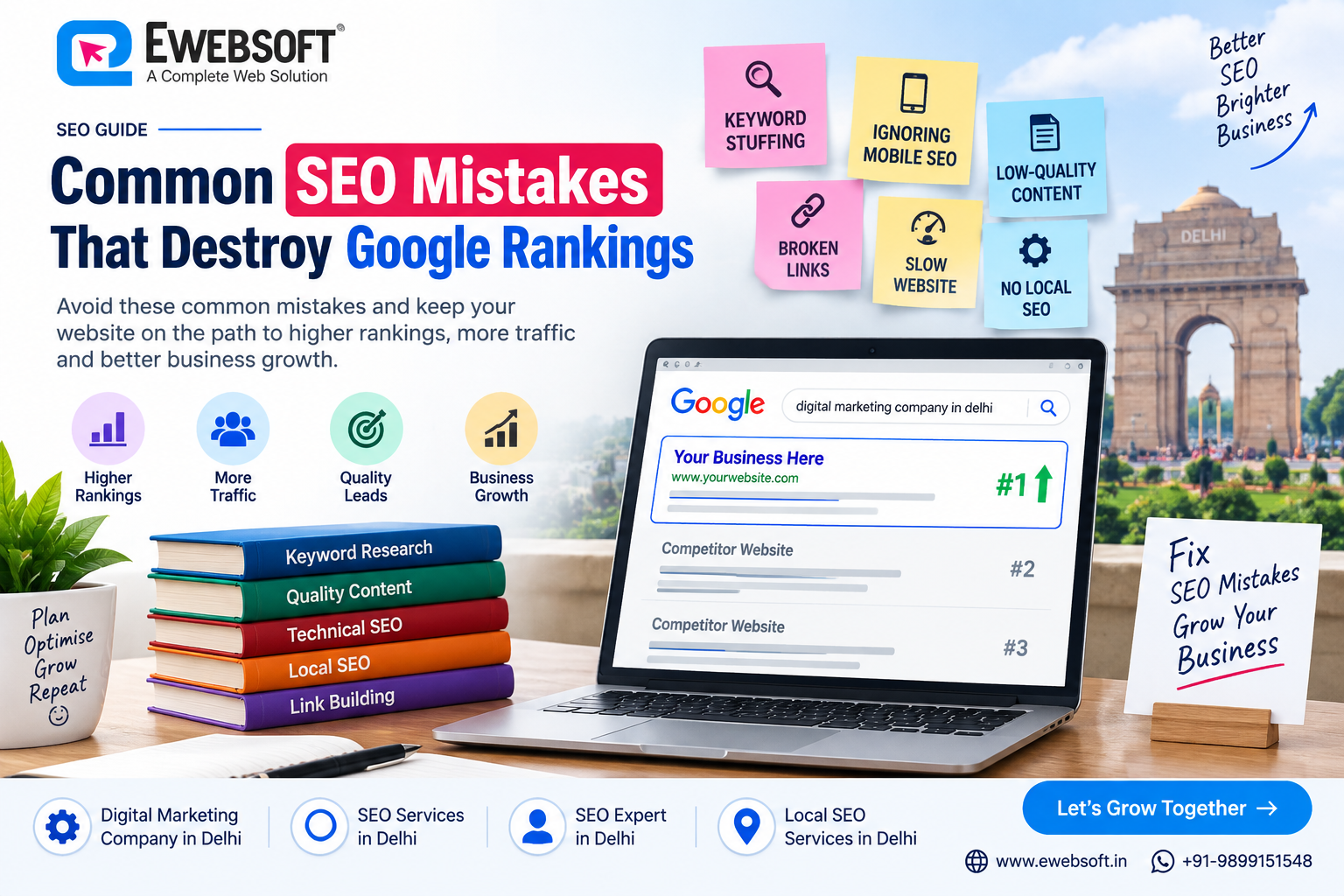
Common Digital Marketing Strategy Mistakes to Avoid
Even businesses with a website and active social media accounts can struggle when their marketing activities lack direction.
Avoid these common mistakes:
- Targeting keywords without understanding search intent
- Publishing content without providing useful information
- Ignoring website speed and mobile usability
- Posting inconsistently on social media
- Running advertising campaigns without clear objectives
- Ignoring website enquiries and customer follow-ups
- Measuring success only through likes and followers
A practical strategy should focus on business outcomes and customer needs.
How Ewebsoft Can Help Your Business
Ewebsoft is a digital marketing agency providing online marketing and website solutions for businesses.
Our services include:
Search Engine Optimization (SEO): Improve your website's organic search visibility through relevant keywords, helpful content and technical SEO improvements.
Website Development: Build professional websites designed around your business requirements and customer experience.
Social Media Marketing: Develop consistent social media communication to increase brand awareness and audience engagement.
Content Marketing: Create useful website and marketing content that communicates your services and answers customer questions.
Google Ads: Plan and manage advertising campaigns around suitable business objectives and target audiences.
Every business has different requirements. The right marketing approach should be based on your goals, industry, audience and available resources.
Final Thoughts
An effective digital marketing strategy is not about using every available online platform. It is about choosing the right channels, understanding your customers, publishing valuable content and continuously improving your marketing activities.
Start with clear objectives, build a strong online presence and measure your progress regularly.
If your business needs help planning its online marketing activities, Ewebsoft can help you explore suitable digital marketing solutions.
Ready to strengthen your online presence? Contact Ewebsoft to discuss your digital marketing requirements.
Website: https://ewebsoft.in/
Frequently Asked Questions
What is the first step in creating a digital marketing strategy?
The first step is defining clear business goals and understanding your target audience. These decisions guide your choice of marketing channels and content.
Which digital marketing channel is best for a small business?
There is no single best channel for every business. SEO, social media, content marketing and paid advertising can all be useful depending on the audience, industry and objectives.
How long does a digital marketing strategy take to show results?
The timeline depends on the channels used, competition, website condition, budget and execution. Organic SEO generally requires consistent effort over time, while paid advertising can generate visibility sooner.
Is SEO part of a digital marketing strategy?
Yes. SEO is an important part of digital marketing because it helps businesses improve their visibility in organic search results and attract relevant website visitors.
How often should a digital marketing strategy be reviewed?
Review key performance indicators regularly, such as monthly, and make strategic adjustments based on results, customer behaviour and changing business priorities.